Setting the Record Straight
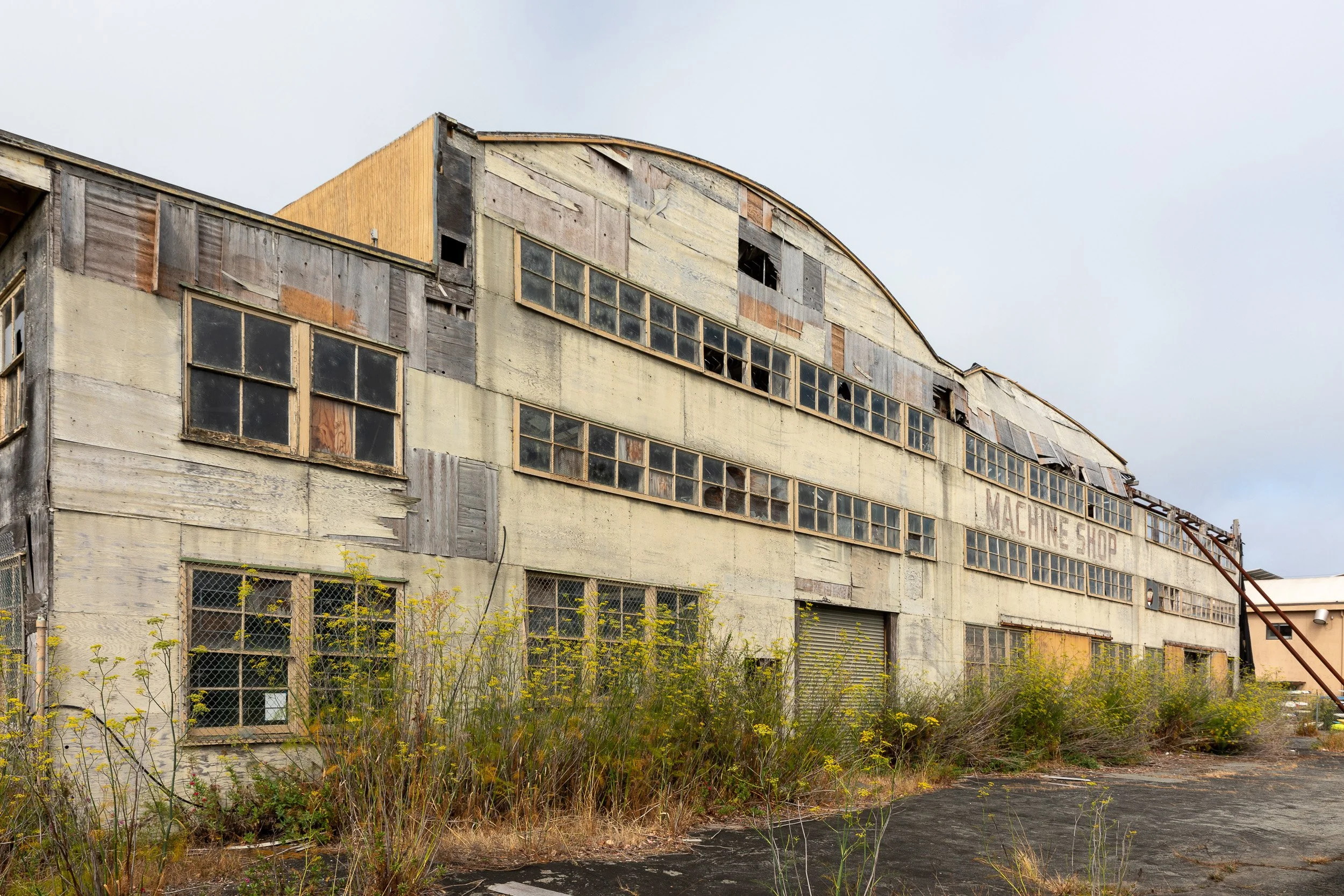
Opponents of Measure X are spreading hypothetical fears and flooding voters with claims that are false, misleading, or flat out fabricated. Their mailers and social posts attempt to twist Measure X into something it isn’t, hoping that confusion will do what their arguments can’t.
We believe the following pages cut through the noise, explain what Measure X says and what it does, and where the opposition’s statements, pictures, and flyers break from reality.
We as residents and voters deserve the truth, and we encourage everyone to confirm these facts with the wording of Measure X, official documents, and trusted independent sources.
If you have questions or concerns, let’s talk — send us an email at info@sausalitothrive.org.
Fact vs. Fiction
Click on each item below for the real story.
-
Fact: Measure X keeps residents involved and brings waterfront decisions back into Sausalito’s regular public planning process.
MISLEADING CLAIMS: “Measure X hands power to three Council members to make deals with developers without voter approval.”
Measure X does not hand the waterfront to anyone. It allows proposals to come forward and be considered through Sausalito’s regular public planning process, with the applicable environmental review, planning and design review, public hearings, community input, Planning Commission consideration and City Council oversight.
Residents keep their voice. The safeguards we use in Sausalito stay in place. What changes is that our waterfront and industrial areas can use the regular public planning process rather than requiring a citywide election for certain zoning changes.
That means proposals can finally see the light of day and be discussed publicly, with today’s residents having a voice in them to help shape the future of our waterfront, rather than having key zoning limits remain locked in by rules adopted in 1985 that no longer work for our needs today.
-
Yes, Sausalitans will still have a say on what gets proposed on our waterfront and in the Marinship.
Measure X simply brings the rules for our waterfront and industrial zone back to the normal public input and planning process used throughout Sausalito.
Right now the laws for our waterfront and industrial zone are different from what is normal in Sausalito and in the majority of towns in California and across the nation.
These laws require that many routine common-use land use decisions go to the vote of all 5,600 voters in Sausalito. This is costly, complex and impractical for most businesses. So much so, no business has ever put anything on the ballot in 40 years.
For example, these are the type of zoning changes that could require a business putting it on the ballot:
Heath Ceramics has a 70-year-old building and wants to cover its outdoor yard because it makes their building more efficient and is better the environment but it would increase its floor area ratio beyond what is allowed by current code
A commercial bakery wants to open a retail counter to regularly sell bread to residents
A garment manufacturer wants to open a small retail front in their workshop so people can buy directly from the people who make their clothes
Someone wants to open a cafe or coffee shop in the Marinship
Many of these examples are not allowed on our waterfront and industrial zone. Yes, there are a few exceptions but for the most part, this is true.
Putting something on the ballot for all 5,600 voters in Sausalito to vote on is complex, costly and impractical — so much so that no business in 40 years has put anything on the ballot. They just struggle on or leave and invest their creativity somewhere else, depriving us residents of businesses we'd like to visit and the tax revenue those businesses bring to fix our infrastructure and reduce the tax burden on residents.
Instead of requiring a citywide vote on many land-use decisions, Measure X restores the normal process and checks and balances used everywhere else in Sausalito: environmental review, design review with 13 findings that control for character, views, neighborhood compatibility, and more by the Planning Commission, public input, and the ability to appeal decisions to City Council.
As anyone who has tried to add an addition to their house knows, our regular process has many checks and balances and is not easy. Measure X makes it possible for waterfront businesses and new proposals to go through the same process, which has protected Sausalito for years.
With Measure X, new proposals and creative ideas will have a better chance of seeing the light of day. Sausalitans will be able to make public comment just like with other projects to decide what we want, what we don't want, and start to mold a more vibrant future for our waterfront and town.
-
With Measure X, any new commercial or industrial project proposed in the Marinship would still have to go through the City’s normal entitlement and approval process. Projects remain subject to applicable local ordinances, state law, environmental requirements, and project-specific conditions of approval.
As part of that process, the City can require appropriate infrastructure improvements, fees and other conditions related to the impacts of a project. California law specifically provides mechanisms for communities to require new development to contribute its fair share toward infrastructure needed because of that development.
The City can also work through the approval process to pursue public benefits associated with a project—such as improved public access, walking paths, public docks or open space—when legally appropriate.
That is how development normally works in California: a proposal comes forward, the City reviews it, the public has an opportunity to participate, impacts are addressed, and conditions can be imposed before a project is approved.
There is nothing unusual or mysterious about that process. It is the standard way cities evaluate development proposals and address their impacts.
-
MEASURE X keeps Sausalito’s normal safeguards in place. It does not open the door to “unbridled development” as opponent groups say. This is fearmongering.
Measure X brings the laws that govern our waterfront and industrial zone back to the same public planning process used throughout Sausalito.
Projects will still go through Sausalito’s normal public planning process — including environmental review, public notice and input, Planning Commission review, and City Council review or appeal when needed. This is the normal process used throughout Sausalito and in the majority of California towns.
The Planning Commission must also make required findings on issues such as neighborhood character, scale, design and view protection — the same rules and difficult process that residents face when seeking approval to add, for example, an addition onto their home.
Measure X changes outdated 1985 restrictions. It does not remove public review or development safeguards. It takes laws from 1985 that often serve as a default no so that many new proposals never see the light of day back to the regular process that’s still very difficult so that we can review, weigh in and push back on proposals through our normal public input and planning process.
-
FALSE CLAIM: “Measure X makes every building in Sausalito nonconforming on day one." Measure X classifies most homes and businesses as non-conforming.
This is not true. City staff concludes that Measure X “does not alter the lawful status of existing legal non-conforming uses.” Groups opposing Measure X fail to apply the entire sentence of Section 10.200.2(a) of Measure X. They want you to only read a portion of the sentence in isolation and reach an absurd conclusion. Measure X specifically cites Sausalito Municipal Code 10.62 as applicable, and you must read the entire sentence. Legally existing uses and structures do not become nonconforming.
-
False Claim: Opponents to Measure X state that “Measure X is… not needed for makers to sell goods. Today’s rules already allow retail in 15% of their floorspace.”
This is untrue. In fact, one of our beloved local businesses recently tried to move her business to the Marinship and was denied by the City because the Marinship does not allow retail.
Again, the opposition is misleading you by telling you just one thing – that our code permits 15% retail. But what they didn’t tell you is that there is another part of our code that trumps that provision, prohibits retail, and effectively cancels out the 15% allowance in the Marinship.
For most businesses in the Marinship, retail sales are not allowed. There are some exceptions, like Heath Ceramics, which has been here since the 1950s. It is grandfathered in and can have its factory store. There is also a plant nursery that is on a lot that’s designed for retail. But for most other businesses, retail sales are prohibited.
That means that they cannot sell their products from the workspaces where they make them. Measure X changes this so our makers and creators can sell their products right where they make them. This lets residents shop local and support our local businesses.
-
This is the kind of claim with pictures of large waterfront condos designed to create fear and doubt, not inform. Read the actual initiative. Measure X does not rezone for housing. It does not permit hotels. It does not open the door to condominiums, office parks, AI data centers or big box retailers.
What it does is the opposite: it finally gives our industrial and maritime roots room to grow and thrive. Measure X removes the restrictions that have made it economically impossible to build workshops, boat repair facilities, fabrication spaces, and maritime workspaces. It allows fishermen to sell their catch on shore, artists to sell their work, and makers to sell what they make — directly to the public.
For 40 years, outdated laws have made it unviable to build the very spaces a working waterfront needs. For example, this 40-year-old law prevents a boat repair business from building a big enough building to fit a gantry crane to be able to lift boats up to do repairs. Measure X fixes that.
A thriving local working waterfront with active maritime businesses, busy artist and maker studios, a fish market is not Miami Beach. There are a lot of examples of how other small waterfront towns have successful working waterfronts like Port Townsend, Washington or Newport, Oregon without becoming Miami Beach – and we can do it too, in our own salty, unique way.
-
Measure X expressly protects Arques shipyards and the ICB artist building against displacement. It states: “No new or additional use may displace the uses at ICB Building or shipways at the historic Arques Shipyard.” You can find this in the initiative on pages 5 and 215: sausalitothrive.org/initiative.
-
FACT: The claim that the Marinship is a major contributor to our tax revenue ignores the size of the Marinship — more than 200 acres — and how little revenue it generates per acre compared to downtown Bridgeway, which is a fraction of the size. We don’t want the Marinship to become downtown. We want it to remain a working waterfront while doing more to support the community.
When the Marinship underperforms, the City has less revenue to fix our roads, repair storm drains, address aging infrastructure and provide more City services. If we keep doing the same thing, those costs don’t disappear. Eventually, more of the burden falls on residents through higher taxes.
A stronger working waterfront means a stronger tax base — and less pressure on residents to foot the bill.
-
FACT: The 650% number is mathematically correct. But without context, it sounds far more dramatic than it is.
Here’s a simple example: if one penny increased by 650%, it would become 7.5 cents. The percentage sounds enormous because the starting point is so small.
The same is true here.
Under the 1985 rules, the maximum Floor Area Ratio, or FAR, in the Industrial zone is 0.4. Measure X increases it to 3.0. That is a 650% increase.
But what does that actually mean?
FAR measures the amount of floor area permitted in relation to the size of a property. A 0.4 FAR means that on a 1,000-square-foot parcel, only about 400 square feet of total floor area is permitted.
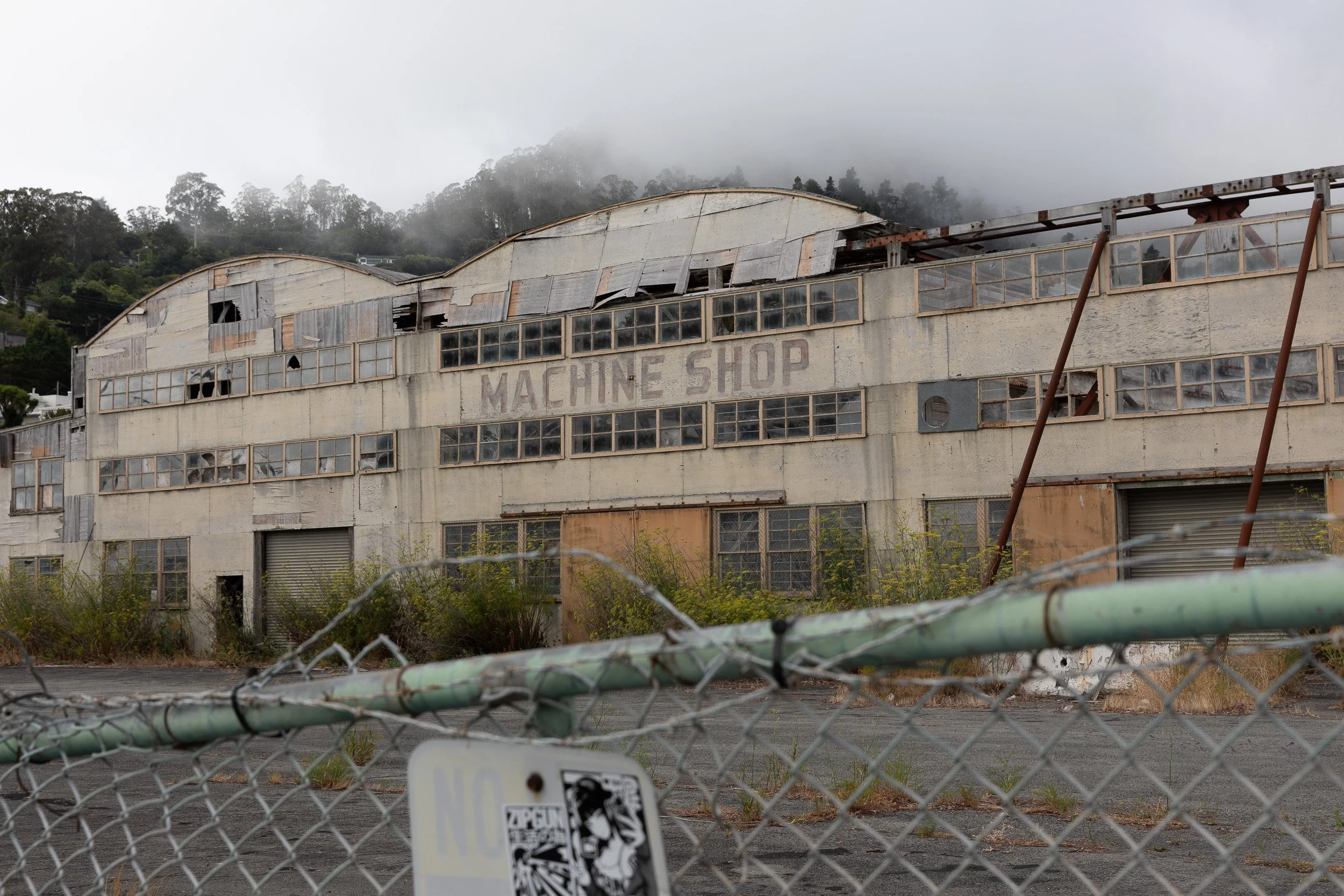
Such a low FAR is one reason so little has been built or reinvested in over the past 40 years. When so little can be built relative to the size and cost of a property, many projects simply are not economically viable.
Measure X creates greater flexibility for reinvestment in viable working-waterfront uses such as boat-repair facilities, maritime workshops, fabrication spaces and artist studios.
But a 3.0 FAR does not mean a property automatically gets a massive building. FAR is only one of many development standards that determine what can actually be built.
There are also height limits. In the Industrial zone, the maximum height under Measure X is 47 feet. For comparison, the new building on Caledonia Street where the theater used to be reaches about 46 feet at its peak, and the Victorian building at the corner of Caledonia and Turney, catty-corner from Driver’s Market, is about 41 feet tall.
That puts 47 feet in perspective: it is comparable in height to buildings Sausalito residents already know and see today.
And 47 feet is a maximum, not what every project would automatically be built to. Actual building size and height would still be shaped by requirements including parking, setbacks, lot coverage, fire and building codes, and the City’s project-review process.
In practical terms, that generally means a building in the range of three to four stories, with a 47-foot maximum in the Industrial zone and 32 feet in the Waterfront zone.
So yes, 650% sounds big. But the starting point is extraordinarily low. Buildings that might someday be proposed under Measure X could be similar in height to buildings that already exist on Caledonia Street today.
Measure X creates enough flexibility to make economically viable working-waterfront buildings possible. It does not mean every parcel will—or even physically can—build out to the theoretical maximum.
-
In the Industrial zone, the 47-foot limit is a maximum envelope — not a guaranteed building size. Any actual project would still have to comply with setbacks, parking requirements, lot coverage, fire and building codes, design review and other development standards. Those requirements can significantly affect the size and shape of a building — and can result in a lower height than the maximum 47 feet.
But let’s put 47 feet in perspective. Is it really as scary as it sounds?
The new building at the former movie theater at 101 Caledonia Street is approximately 46 feet at its peak, and the Victorian building near Bridgeway and Turney is approximately 41 feet. The Marinship itself also already contains taller buildings that were here before the current laws were passed 40 years ago, including the ICB Building at approximately 63 feet and 30 Liberty Ship Way at approximately 50 feet.
The Waterfront zone is different. Measure X keeps its existing 32-foot height limit.
For maritime uses only, Measure X includes one limited exception allowing a building of up to 47 feet in the Waterfront zone. The reason is practical: some maritime businesses need enough interior height to accommodate a gantry crane capable of lifting today’s larger boats.
-
Ordinance 1022 served an important purpose in 1985. Thankfully, it stopped the waterfront from becoming an office park. But the world has changed. In 1985, there was no robust CEQA environmental review, no Bay Conservation and Development Commission oversight at its current strength, no modern design standards, and no community input requirements as we know them today. Those protections now exist and are strong. Building anything in California is already extremely difficult. Ordinance 1022 makes it functionally impossible. AIM does not remove oversight — it simply returns us to ‘extremely difficult,’ the same standard every other California city lives by.
-
The opposite is true. Industrial rents in the Marinship are among the highest in the Bay Area — over $3/sq ft — compared to roughly $0.75/sq ft in Alameda for comparable space. Rents are high because supply is so constrained. More buildable space means more supply, which moderates rents. Cafés and small retail are complementary uses that support — not replace — working artists and maritime businesses.
Key Numbers
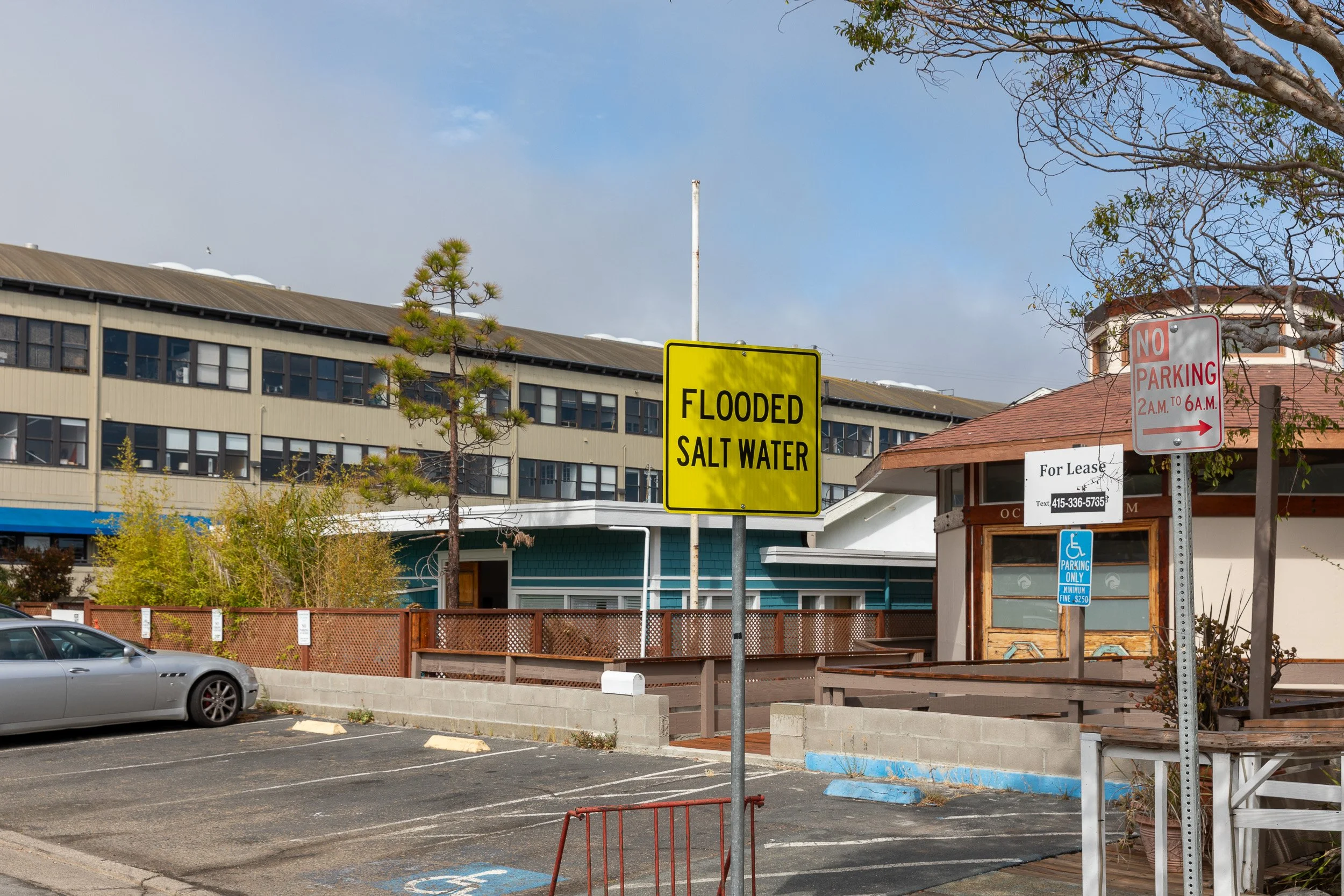
$10K vs $70K/acre: Marinship contributed tax revenue to the City vs. downtown — across 200+ acres vs. a narrow strip of Bridgeway
$3+/sq ft: Current industrial rent in the Marinship — Bay Area’s highest, driven by artificial scarcity under Ord. 1022
~$0.75/sq ft: Comparable industrial rent in Alameda — where supply isn’t capped at 0.4 Floor Area Ratio, which prevents the building of new workspaces because it’s not economically viable.
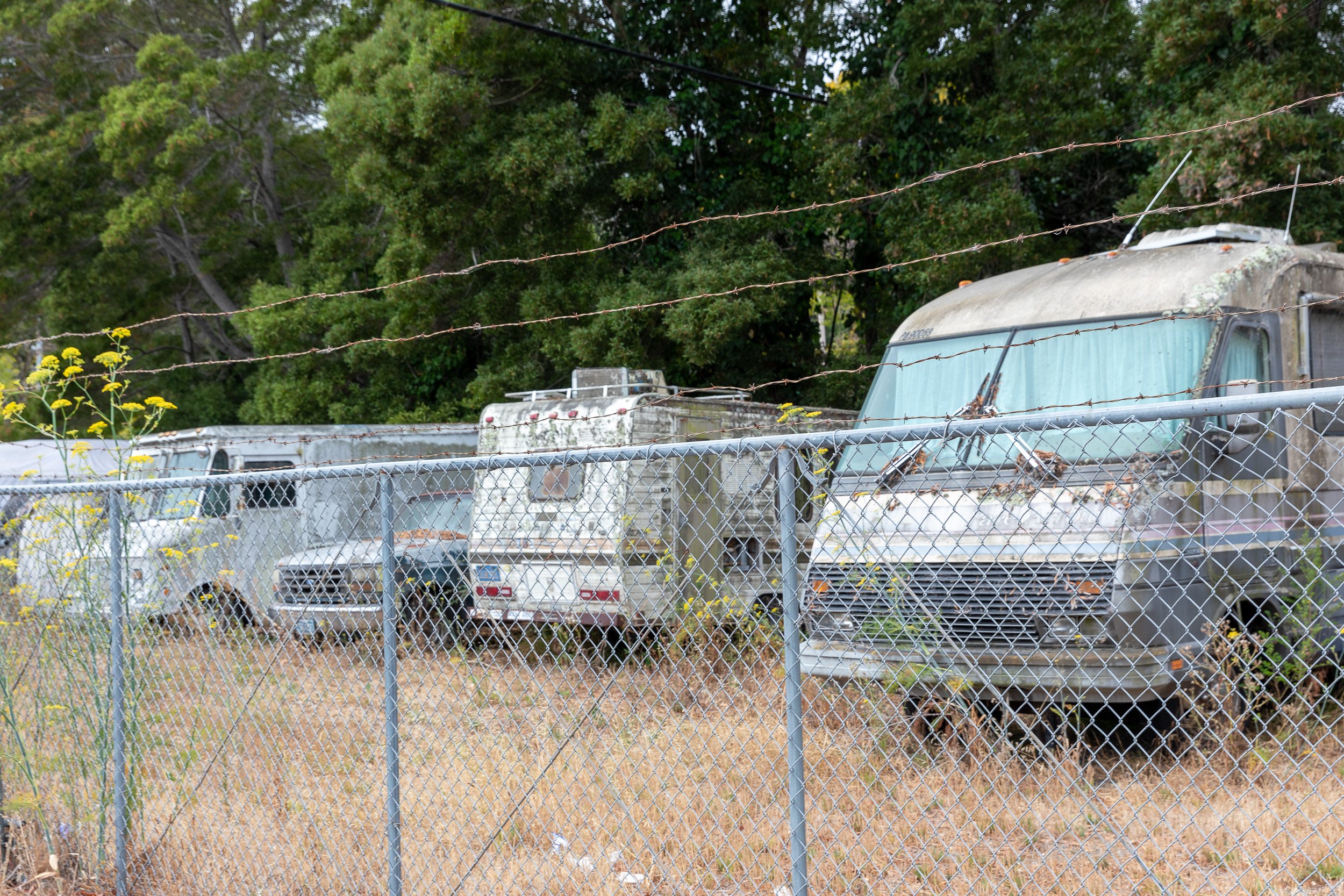
40 years: Duration of Ordinance 1022 — producing virtually zero new artist studios, maker workshops or maritime workspaces.
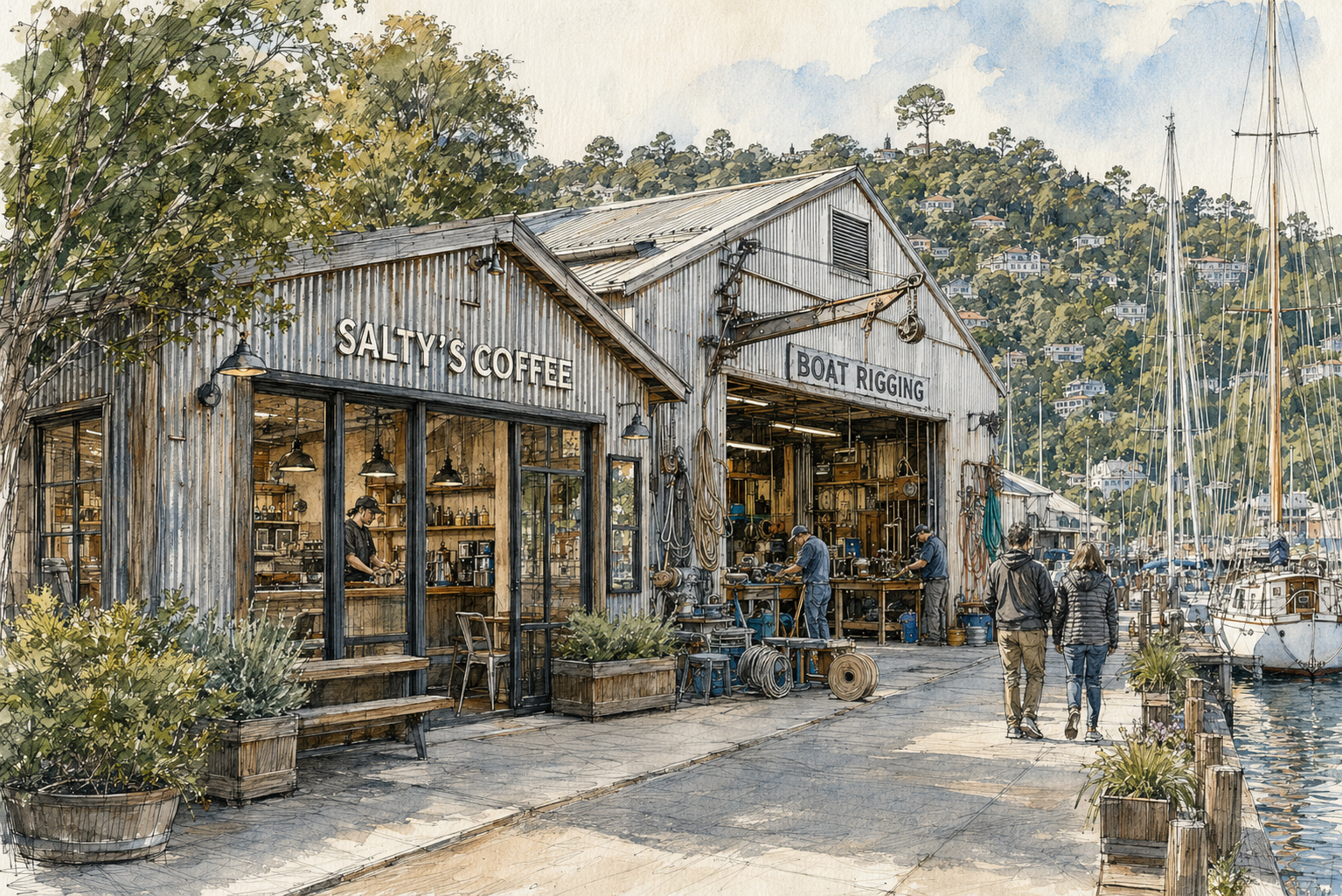
The Vision
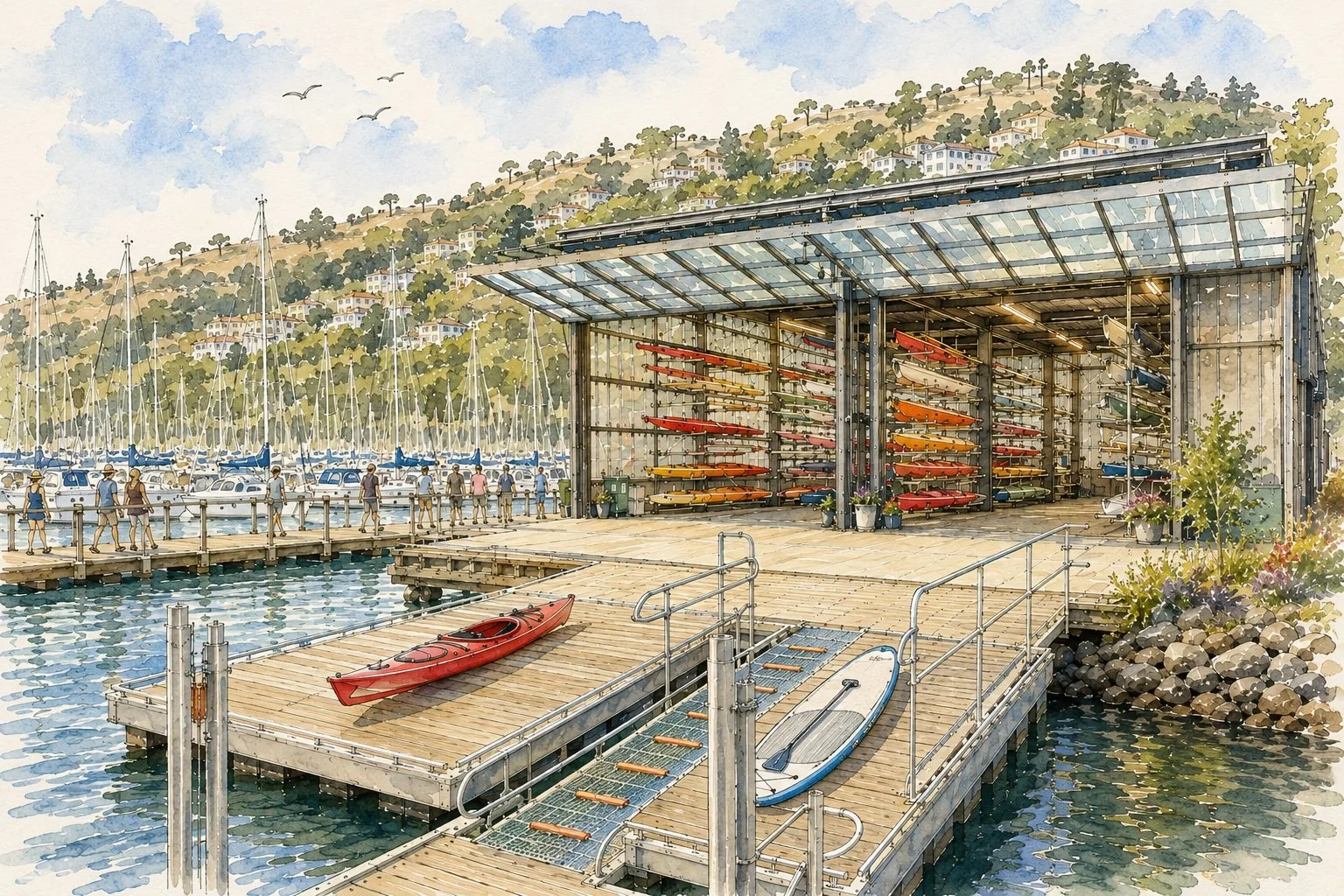
Our waterfront is special — where Liberty Ships were built during WWII and artists, makers, and creators still work alongside boat builders and skilled tradespeople.
AIM is designed to water these creative roots to cultivate a dynamic ecosystem where artists, makers, and maritime businesses, as well as the whole community, can thrive.
Other working waterfront towns similar in size to Sausalito — like Port Townsend, Washington; Newport, Oregon; and Belfast Harbor, Maine — have shown that this kind of vision can succeed.
Of course, Sausalito is one of a kind — and AIM gives our waterfront the creative freedom to evolve, innovate, and thrive in its own salty way.
What Measure X / AIM Does
1. Lets creators, makers, fishermen sell what they make, create and catch.
The current law prevents most businesses from selling what they make, create, and catch. For example, fishermen cannot form a cooperative to open a fish market on shore to sell their catch directly to residents. A commercial baker cannot open a retail counter in his or her own bakery. In fact, during covid a few of the commercial bakers in the Marinship tried to sell their fresh bread to residents but they were shut down by the City because its prohibited. An artist cannot regularly sell her work from her studio. A garment maker, a woodworker, metalworker, a ceramics artist — cannot have a small retail front.
2. Builds real workspaces for real maritime businesses.
Consider what it takes to build a modern boat repair facility: you need a building tall and large enough to house a gantry crane capable of lifting a vessel, something not possible with the current restrictive rules. Ordinance 1022's 0.4 Floor Area Ratio cap keeps allowable building sizes so small that new construction doesn't pencil out — making investment in the waterfront essentially impossible. Our own working waterfront law makes it impossible to build the very spaces a working waterfront needs. In 40 years, virtually no new studios, workshops, or maritime facilities have been built here. AIM creates real incentives for property owners to finally invest.
3. Creates a thriving waterfront for everyone.
Complementary businesses will be allowed like cafés and coffee shops alongside artists, makers, and maritime businesses — creating a dynamic, self-sustaining waterfront that both workers and residents can enjoy.
4. Fixes infrastructure without raising taxes.
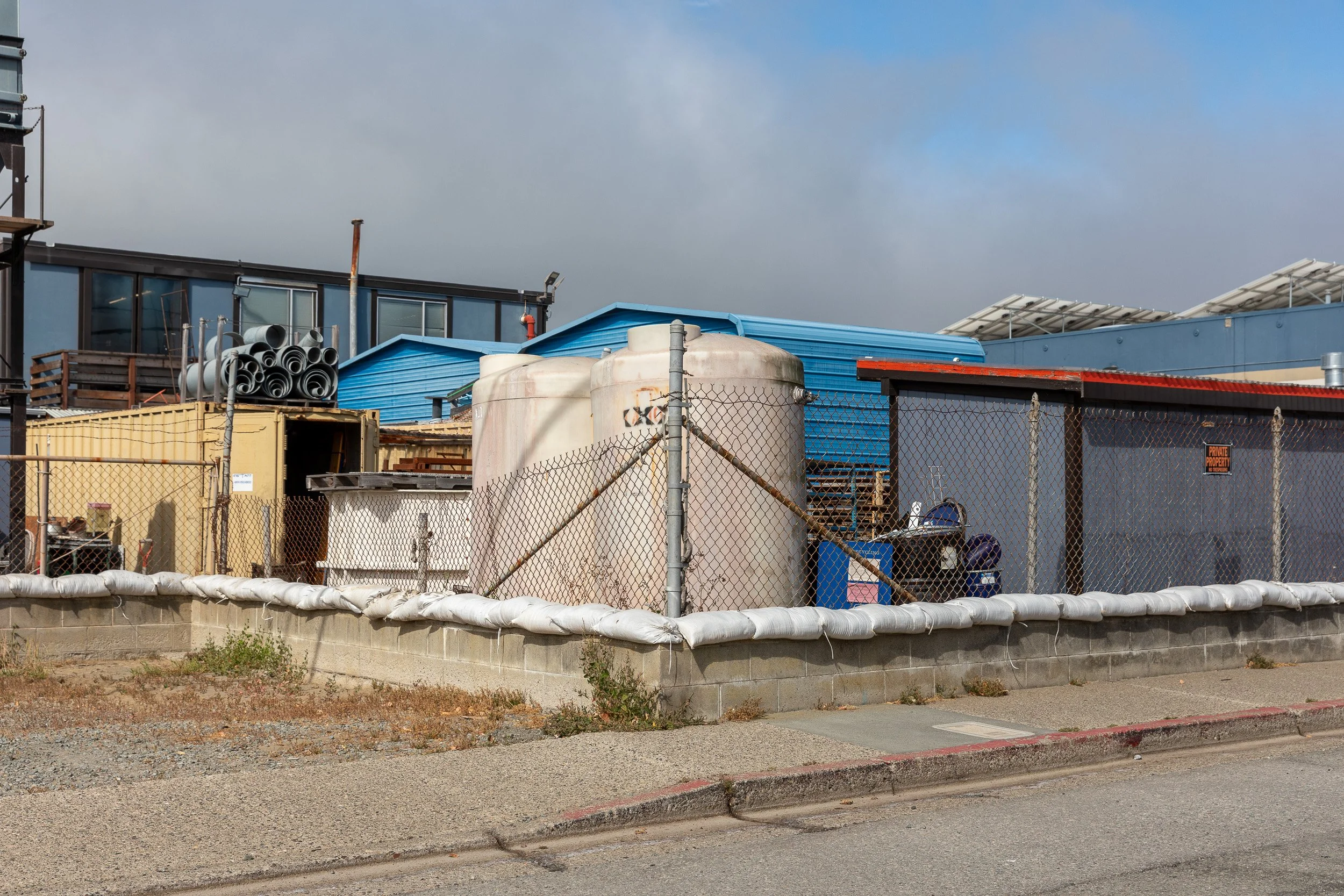
Streets flood at high tide. Seawalls are failing. The Marinship generates only $10K/acre in tax revenue vs. $70K/acre downtown — an enormous missed opportunity that hurts Sausalito overall. AIM is the first big step in 40 years to unlock the economic activity needed to fund repairs.
5. Protects what matters.
The Arques Shipyard, ICB Building, and Downtown Historic District are explicitly protected in the text of the initiative. AIM does not include housing, or new commercial office buildings.
6. Creates more ways for residents to enjoy the water.
AIM opens the door to water-based amenities that are prohibited under current rules — kayak launches, water taxis, and floating amenities, and even someday perhaps, a community saltwater pool.
7. Puts Sausalito back in charge of its waterfront.
Returns routine land-use decisions to normal city government process with rigorous checks and balances: Right now, Ordinance 1022 locks the City out of its own waterfront and industrial zone — routine land-use decisions, like fishermen opening a fish market or a boat repair shop building a structure tall enough to lift boats, require a costly citywide election just to move forward. And of course, that never happens — so nothing changes, ever. AIM returns these decisions to the normal city process: rigorous, with real checks and balances, and far from easy — but at least a process where something might actually happen.